| Record Information |
|---|
| Version | 2.0 |
|---|
| Creation Date | 2009-03-06 18:58:11 UTC |
|---|
| Update Date | 2018-03-21 17:46:11 UTC |
|---|
| Accession Number | T3D0157 |
|---|
| Identification |
|---|
| Common Name | Ammonia |
|---|
| Class | Small Molecule |
|---|
| Description | Ammonia is a colourless alkaline gas and is one of the most abundant nitrogen-containing compounds in the atmosphere. It is an irritant with a characteristic pungent odor that is widely used in industry. Inasmuch as ammonia is highly soluble in water and, upon inhalation, is deposited in the upper airways, occupational exposures to ammonia have commonly been associated with sinusitis, upper airway irritation, and eye irritation. Acute exposures to high levels of ammonia have also been associated with diseases of the lower airways and interstitial lung. Small amounts of ammonia are naturally formed in nearly all tissues and organs of the vertebrate organism. Ammonia is both a neurotoxin and a metabotoxin. In fact, it is the most common endogenous neurotoxin. A neurotoxin is a compound that causes damage to neural tissue and neural cells. A metabotoxin is an endogenously produced metabolite that causes adverse health effects at chronically high levels. Ammonia is recognized to be central in the pathogenesis of a brain condition known as hepatic encephalopathy, which arises from various liver diseases and leads to a build up ammonia in the blood (hyperammonemia). More than 40% of people with cirrhosis develop hepatic encephalopathy. Part of the neurotoxicity of ammonia arises from the fact that it easily crosses the blood-brain barrier and is absorbed and metabolized by the astrocytes, a population of cells in the brain that constitutes 30% of the cerebral cortex. Astrocytes use ammonia when synthesizing glutamine from glutamate. The increased levels of glutamine lead to an increase in osmotic pressure in the astrocytes, which become swollen. There is increased activity of the inhibitory gamma-aminobutyric acid (GABA) system, and the energy supply to other brain cells is decreased. This can be thought of as an example of brain edema. The source of the ammonia leading to hepatic encephalopathy is not entirely clear. The gut produces ammonia, which is metabolized in the liver, and almost all organ systems are involved in ammonia metabolism. Colonic bacteria produce ammonia by splitting urea and other amino acids, however this does not fully explain hyperammonemia and hepatic encephalopathy. The alternative explanation is that hyperammonemia is the result of intestinal breakdown of amino acids, especially glutamine. The intestines have significant glutaminase activity, predominantly located in the enterocytes. On the other hand, intestinal tissues only have a little glutamine synthetase activity, making it a major glutamine-consuming organ. In addition to the intestine, the kidney is an important source of blood ammonia in patients with liver disease. Ammonia is also taken up by the muscle and brain in hepatic coma, and there is confirmation that ammonia is metabolized in muscle. Excessive formation of ammonia in the brains of Alzheimer's disease patients has also been demonstrated, and it has been shown that some Alzheimer's disease patients exhibit elevated blood ammonia concentrations. Ammonia is the most important natural modulator of lysosomal protein processing. Indeed, there is strong evidence for the involvement of aberrant lysosomal processing of beta-amyloid precursor protein (beta-APP) in the formation of amyloid deposits. Inflammatory processes and activation of microglia are widely believed to be implicated in the pathology of Alzheimer's disease. Ammonia is able to affect the characteristic functions of microglia, such as endocytosis, and cytokine production. Based on these facts, an ammonia-based hypothesis for Alzheimer's disease has been suggested (PMID: 17006913, 16167195, 15377862, 15369278). Chronically high levels of ammonia in the blood are associated with nearly twenty different inborn errors of metabolism including: 3-hydroxy-3-methylglutaryl-CoA lyase deficiency, 3-methyl-crotonylglycinuria, argininemia, argininosuccinic aciduria, beta-ketothiolase deficiency, biotinidase deficiency, carbamoyl phosphate synthetase deficiency, carnitine-acylcarnitine translocase deficiency, citrullinemia type I, hyperinsulinism-hyperammonemia syndrome, hyperornithinemia-hyperammonemia-homocitrullinuria syndrome, isovaleric aciduria, lysinuric protein intolerance, malonic aciduria, methylmalonic aciduria, methylmalonic aciduria due to cobalamin-related disorders, propionic acidemia, pyruvate carboxylase deficiency, and short chain acyl CoA dehydrogenase deficiency (SCAD deficiency). Many of these inborn errors of metabolism are associated with urea cycle disorders or impairment to amino acid metabolism. High levels of ammonia in the blood (hyperammonemia) lead to the activation of NMDA receptors in the brain. This results in the depletion of brain ATP, which in turn leads to release of glutamate. Ammonia also leads to the impairment of mitochondrial function and calcium homeostasis, thereby decreasing ATP synthesis. Excess ammonia also increases the formation of nitric oxide (NO), which in turn reduces the activity of glutamine synthetase, and thereby decreases the elimination of ammonia in the brain (PMID: 12020609). As a neurotoxin, ammonia predominantly affects astrocytes. Disturbed mitochondrial function and oxidative stress, factors implicated in the induction of the mitochondrial permeability transition, appear to be involved in the mechanism of ammonia neurotoxicity. Ammonia can also affect the glutamatergic and GABAergic neuronal systems, the two prevailing neuronal systems of the cortical structures. All of these effects can lead to irreversible brain damage, coma, and/or death. Infants with urea cycle disorders and hyperammonemia initially exhibit vomiting and increasing lethargy. If untreated, seizures, hypotonia (poor muscle tone, floppiness), respiratory distress (respiratory alkalosis), and coma can occur. Adults with urea cycle disorders and hyperammonemia will exhibit episodes of disorientation, confusion, slurred speech, unusual and extreme combativeness or agitation, stroke-like symptoms, lethargy, and delirium. Ammonia also has toxic effects when an individual is exposed to ammonia solutions. Acute exposure to high levels of ammonia in air may be irritating to skin, eyes, throat, and lungs and cause coughing and burns. Lung damage and death may occur after exposure to very high concentrations of ammonia. Swallowing concentrated solutions of ammonia can cause burns in the mouth, throat, and stomach. Splashing ammonia into eyes can cause burns and even blindness. |
|---|
| Compound Type | - Fertilizer
- Food Toxin
- Household Toxin
- Industrial Precursor/Intermediate
- Industrial/Workplace Toxin
- Inorganic Compound
- Lachrymator
- Metabolite
- Natural Compound
- Non-Metal
- Organic Compound
|
|---|
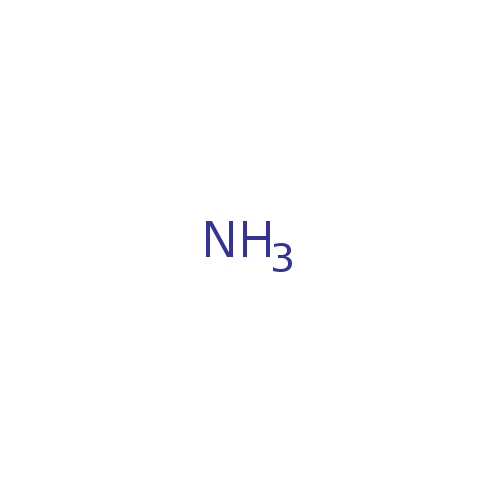
| Chemical Structure | |
|---|
| Synonyms | | Synonym | | Ammonia anhydrous | | Ammonia water | | Anhydrous ammonia | | Azane | | Liquid ammonia | | NH(3) | | NH3 | | Spirit of hartshorn |
|
|---|
| Chemical Formula | H3N |
|---|
| Average Molecular Mass | 17.031 g/mol |
|---|
| Monoisotopic Mass | 17.027 g/mol |
|---|
| CAS Registry Number | 7664-41-7 |
|---|
| IUPAC Name | ammonia |
|---|
| Traditional Name | ammonia |
|---|
| SMILES | N |
|---|
| InChI Identifier | InChI=1S/H3N/h1H3 |
|---|
| InChI Key | InChIKey=QGZKDVFQNNGYKY-UHFFFAOYSA-N |
|---|
| Chemical Taxonomy |
|---|
| Description | belongs to the class of inorganic compounds known as homogeneous other non-metal compounds. These are inorganic non-metallic compounds in which the largest atom belongs to the class of 'other non-metals'. |
|---|
| Kingdom | Inorganic compounds |
|---|
| Super Class | Homogeneous non-metal compounds |
|---|
| Class | Homogeneous other non-metal compounds |
|---|
| Sub Class | Not Available |
|---|
| Direct Parent | Homogeneous other non-metal compounds |
|---|
| Alternative Parents | Not Available |
|---|
| Substituents | - Homogeneous other non metal
|
|---|
| Molecular Framework | Not Available |
|---|
| External Descriptors | |
|---|
| Biological Properties |
|---|
| Status | Detected and Not Quantified |
|---|
| Origin | Endogenous |
|---|
| Cellular Locations | |
|---|
| Biofluid Locations | Not Available |
|---|
| Tissue Locations | |
|---|
| Pathways | | Name | SMPDB Link | KEGG Link |
|---|
| Amino Sugar Metabolism | SMP00045 | map00520 | | Ammonia Recycling | SMP00009 | map00910 | | Arginine and Proline Metabolism | SMP00020 | map00330 | | D-Arginine and D-Ornithine Metabolism | SMP00036 | map00472 | | Folate Metabolism | SMP00053 | map00670 | | Glucose-Alanine Cycle | SMP00127 | Not Available | | Glutamate Metabolism | SMP00072 | map00250 | | Glycine and Serine Metabolism | SMP00004 | map00260 | | Homocysteine Degradation | SMP00455 | Not Available | | Phenylalanine and Tyrosine Metabolism | SMP00008 | map00360 | | Threonine and 2-Oxobutanoate Degradation | SMP00452 | Not Available | | Urea Cycle | SMP00059 | Not Available | | 3-Hydroxy-3-Methylglutaryl-CoA Lyase Deficiency | SMP00138 | Not Available | | Argininemia | SMP00357 | Not Available | | Argininosuccinic Aciduria | SMP00003 | Not Available | | Beta-Ketothiolase Deficiency | SMP00173 | Not Available | | Biotinidase Deficiency | SMP00174 | Not Available | | Carbamoyl Phosphate Synthetase Deficiency | SMP00002 | Not Available | | Carnitine-acylcarnitine translocase deficiency | SMP00517 | Not Available | | Citrullinemia Type I | SMP00001 | Not Available | | Hyperinsulinism-Hyperammonemia Syndrome | SMP00339 | Not Available | | Hyperornithinemia-hyperammonemia-homocitrullinuria [HHH-syndrome] | SMP00506 | Not Available | | Isovaleric Aciduria | SMP00238 | Not Available | | Lysinuric Protein Intolerance | SMP00197 | Not Available | | Malonic Aciduria | SMP00198 | Not Available | | Methylmalonic Aciduria | SMP00200 | Not Available | | Methylmalonic Aciduria Due to Cobalamin-Related Disorders | SMP00201 | Not Available | | Propionic Acidemia | SMP00236 | Not Available | | Pyruvate Carboxylase Deficiency | SMP00350 | Not Available | | Short Chain Acyl CoA Dehydrogenase Deficiency (SCAD Deficiency) | SMP00235 | Not Available |
|
|---|
| Applications | |
|---|
| Biological Roles | |
|---|
| Chemical Roles | |
|---|
| Physical Properties |
|---|
| State | Liquid |
|---|
| Appearance | Colorless gas. |
|---|
| Experimental Properties | | Property | Value |
|---|
| Melting Point | -77.7°C | | Boiling Point | Not Available | | Solubility | 482 mg/mL at 24°C [DEAN,JA (1985)] | | LogP | Not Available |
|
|---|
| Predicted Properties | |
|---|
| Spectra |
|---|
| Spectra | | Spectrum Type | Description | Splash Key | Deposition Date | View |
|---|
| Predicted GC-MS | Predicted GC-MS Spectrum - GC-MS (Non-derivatized) - 70eV, Positive | splash10-014i-9000000000-92ab2d6b6fd9cfb23ac7 | 2016-09-22 | View Spectrum | | Predicted GC-MS | Predicted GC-MS Spectrum - GC-MS (Non-derivatized) - 70eV, Positive | Not Available | 2021-10-12 | View Spectrum | | Predicted GC-MS | Predicted GC-MS Spectrum - GC-MS (Non-derivatized) - 70eV, Positive | Not Available | 2021-10-12 | View Spectrum | | Predicted LC-MS/MS | Predicted LC-MS/MS Spectrum - 10V, Positive | splash10-014i-9000000000-88ae09421d46f7dea1c5 | 2015-05-27 | View Spectrum | | Predicted LC-MS/MS | Predicted LC-MS/MS Spectrum - 20V, Positive | splash10-014i-9000000000-88ae09421d46f7dea1c5 | 2015-05-27 | View Spectrum | | Predicted LC-MS/MS | Predicted LC-MS/MS Spectrum - 40V, Positive | splash10-014i-9000000000-88ae09421d46f7dea1c5 | 2015-05-27 | View Spectrum | | Predicted LC-MS/MS | Predicted LC-MS/MS Spectrum - 10V, Negative | splash10-014i-9000000000-5e750288766bc8c562ff | 2015-05-27 | View Spectrum | | Predicted LC-MS/MS | Predicted LC-MS/MS Spectrum - 20V, Negative | splash10-014i-9000000000-5e750288766bc8c562ff | 2015-05-27 | View Spectrum | | Predicted LC-MS/MS | Predicted LC-MS/MS Spectrum - 40V, Negative | splash10-014i-9000000000-5e750288766bc8c562ff | 2015-05-27 | View Spectrum | | Predicted LC-MS/MS | Predicted LC-MS/MS Spectrum - 10V, Positive | splash10-014i-9000000000-4d3180e05bafd704562f | 2021-09-22 | View Spectrum | | Predicted LC-MS/MS | Predicted LC-MS/MS Spectrum - 20V, Positive | splash10-014i-9000000000-4d3180e05bafd704562f | 2021-09-22 | View Spectrum | | Predicted LC-MS/MS | Predicted LC-MS/MS Spectrum - 40V, Positive | splash10-014i-9000000000-4d3180e05bafd704562f | 2021-09-22 | View Spectrum | | Predicted LC-MS/MS | Predicted LC-MS/MS Spectrum - 10V, Negative | splash10-014i-9000000000-e1d016c3d6effe2294d2 | 2021-09-22 | View Spectrum | | Predicted LC-MS/MS | Predicted LC-MS/MS Spectrum - 20V, Negative | splash10-014i-9000000000-e1d016c3d6effe2294d2 | 2021-09-22 | View Spectrum | | Predicted LC-MS/MS | Predicted LC-MS/MS Spectrum - 40V, Negative | splash10-014i-9000000000-e1d016c3d6effe2294d2 | 2021-09-22 | View Spectrum | | MS | Mass Spectrum (Electron Ionization) | splash10-014i-9000000000-e0a6e51ead158714099b | 2015-03-01 | View Spectrum |
|
|---|
| Toxicity Profile |
|---|
| Route of Exposure | Oral (30) ; inhalation (30) ; dermal (30) |
|---|
| Mechanism of Toxicity | The topical damage caused by ammonia is probably due mainly to its alkaline properties. Its high water solubility allows it to dissolve in moisture on the mucous membranes, skin, and eyes, forming ammonium hydroxide. Ammonium hydroxide causes saponification of cell membrane lipids, resulting in cell disruption and death. Additionally, it extracts water from the cells and initiates an inflammatory response, which further damages the surrounding tissues. Excess circulating levels of ammonia (hyperammonemia) can cause serious neurological effects. This is thought to involve the alteration of glutamate metabolism in the brain and resultant increased activation of NMDA receptors, which causes decreased protein kinase C-mediated phosphorylation of Na+/K+ ATPase, increased activity of Na+/K+ ATPase, and depletion of ATP. Ammonia can chemically interact with an internal thiolester bond of
complement 3 (C3). This causes a conformation change in C3, which activates the alternative complement pathway, causing the release of chemoattractants and the assembly of the membrane attack complex of complement. The altered C3 can also bind directly to phagocyte complement receptors, which causes the release of toxic oxygen species. (30) |
|---|
| Metabolism | Ammonia can be absorbed by inhalation and oral routes exposure, and also to a much lesser extent through the skin and eyes. Most of the inhaled ammonia is retained in the upper respiratory tract and is subsequently eliminated in expired air, while ingested ammonia is readily absorbed in the intestinal tract. Ammonia that reaches the circulation is widely distributed to all body compartments although substantial first pass metabolism occurs in the liver where it is transformed into urea and glutamine. Ammonia or ammonium ion reaching the tissues is taken up by glutamic acid, which participates in transamination and other reactions. Ammonia is mainly excreted in the urine. (30) |
|---|
| Toxicity Values | LD50: 350 mg/kg (Oral, Rat) (2)
LC50: 3360 mg/m3 over 1 hour (Inhalation, Mouse) (2)
Severe hyperammonemia is characterized by serum ammonia levels greater than 1000 μmol/L |
|---|
| Lethal Dose | 2500 to 4500 ppm over 30 minutes for an adult human. (30) |
|---|
| Carcinogenicity (IARC Classification) | No indication of carcinogenicity to humans (not listed by IARC). |
|---|
| Uses/Sources | Ammonia is used directly on farm crops, and is also a precursor to foodstuffs and fertilizers. It is also found in many household and industrial cleaners. (30) |
|---|
| Minimum Risk Level | Acute Inhalation: 1.7 ppm (29)
Chronic Inhalation: 0.1 ppm (29) |
|---|
| Health Effects | Acute exposure to high levels of ammonia in air may be irritating to skin, eyes, throat, and lungs and cause coughing and burns. Lung damage and death may occur after exposure to very high concentrations of ammonia. Swallowing concentrated solutions of ammonia can cause burns in mouth, throat, and stomach. Splashing ammonia into eyes can cause burns and even blindness. (30)
Chronically high levels of ammonia in the blood are associated with nearly 20 different inborn errors of metabolism including: 3-Hydroxy-3-Methylglutaryl-CoA Lyase Deficiency, Argininemia, Argininosuccinic Aciduria, Beta-Ketothiolase Deficiency, Biotinidase deficiency, Carbamoyl Phosphate Synthetase Deficiency, Carnitine-acylcarnitine translocase deficiency, Citrullinemia Type I, Hyperinsulinism-Hyperammonemia Syndrome, Hyperornithinemia-hyperammonemia-homocitrullinuria syndrome, Isovaleric Aciduria, Lysinuric Protein Intolerance, Malonic Aciduria, Methylmalonic Aciduria, Methylmalonic Aciduria Due to Cobalamin-Related Disorders, Propionic acidemia, Pyruvate carboxylase deficiency and Short Chain Acyl CoA Dehydrogenase Deficiency (SCAD Deficiency). Hyperammonemia is one of the metabolic derangements that contribute to hepatic encephalopathy. |
|---|
| Symptoms | Acute exposure leads to irritation and burning at the site of exposure. (30)
Symptoms include cough, chest pain (severe), chest tightness, difficulty breathing and wheezing, tearing and burning of eyes, temporary blindness, throat pain (severe), mouth pain, lip swelling, heart and blood, rapid, weak pulse, collapse and shock.
Chronic exposure: Symptoms of hyperammonia include: lethargy, irritability, poor feeding, vomiting and seizures. Signs and symptoms of late-onset hyperammonemia (later in life) may include intermittent ataxia, intellectual impairment, failure to thrive, gait abnormality, behavior disturbances, epilepsy, recurrent Reye syndrome and protein avoidance. |
|---|
| Treatment | Acute Exposure: EYES: irrigate opened eyes for several minutes under running water. INGESTION: do not induce vomiting. Rinse mouth with water (never give anything by mouth to an unconscious person). Seek immediate medical advice. SKIN: should be treated immediately by rinsing the affected parts in cold running water for at least 15 minutes, followed by thorough washing with soap and water. If necessary, the person should shower and change contaminated clothing and shoes, and then must seek medical attention. INHALATION: supply fresh air. If required provide artificial respiration.
Chronic Exposure: Intravenous arginine (argininosuccinase deficiency), sodium phenylbutyrate and sodium benzoate (ornithine transcarbamoylase deficiency) are pharmacologic agents commonly used as adjunctive therapy to treat hyperammonemia in patients. |
|---|
| Normal Concentrations |
|---|
| Not Available |
|---|
| Abnormal Concentrations |
|---|
| Not Available |
|---|
| External Links |
|---|
| DrugBank ID | Not Available |
|---|
| HMDB ID | HMDB00051 |
|---|
| PubChem Compound ID | 222 |
|---|
| ChEMBL ID | CHEMBL1160819 |
|---|
| ChemSpider ID | 217 |
|---|
| KEGG ID | C00014 |
|---|
| UniProt ID | Not Available |
|---|
| OMIM ID | 102770 , 124450 , 138130 , 138290 , 139260 , 179800 , 180297 , 182128 , 201450 , 207800 , 207900 , 212138 , 215700 , 222700 , 232600 , 235800 , 237300 , 237310 , 238700 , 238970 , 245349 , 258870 , 261600 , 266150 , 309000 , 311250 , 312170 , 600346 , 601003 , 602268 , 603859 , 604618 , 605381 , 605899 , 606673 , 606762 , 607079 , 608158 , 608285 , 608307 , 608310 , 608490 , 609060 , 609457 , 610021 , 610505 , 611261 , 611470 , 611719 |
|---|
| ChEBI ID | 16134 |
|---|
| BioCyc ID | AMMONIA |
|---|
| CTD ID | D000641 |
|---|
| Stitch ID | Ammonia |
|---|
| PDB ID | NH3 |
|---|
| ACToR ID | 6151 |
|---|
| Wikipedia Link | Ammonia |
|---|
| References |
|---|
| Synthesis Reference | Mohr, Rudolf. Ammonia separation from offgas obtained from melamine synthesis. U.S. (1971), 5 pp. CODEN: USXXAM US 3555784 19710119 CAN 77:50902 AN 1972:450902 |
|---|
| MSDS | Link |
|---|
| General References | - Lemberg A, Fernandez MA: Hepatic encephalopathy, ammonia, glutamate, glutamine and oxidative stress. Ann Hepatol. 2009 Apr-Jun;8(2):95-102. [19502650 ]
- Azzi A, Boscoboinik D, Clement S, Marilley D, Ozer NK, Ricciarelli R, Tasinato A: Alpha-tocopherol as a modulator of smooth muscle cell proliferation. Prostaglandins Leukot Essent Fatty Acids. 1997 Oct;57(4-5):507-14. [9430404 ]
- Albrecht J, Norenberg MD: Glutamine: a Trojan horse in ammonia neurotoxicity. Hepatology. 2006 Oct;44(4):788-94. [17006913 ]
- Shawcross DL, Olde Damink SW, Butterworth RF, Jalan R: Ammonia and hepatic encephalopathy: the more things change, the more they remain the same. Metab Brain Dis. 2005 Sep;20(3):169-79. [16167195 ]
- Norenberg MD, Rama Rao KV, Jayakumar AR: Ammonia neurotoxicity and the mitochondrial permeability transition. J Bioenerg Biomembr. 2004 Aug;36(4):303-7. [15377862 ]
- Brautbar N, Wu MP, Richter ED: Chronic ammonia inhalation and interstitial pulmonary fibrosis: a case report and review of the literature. Arch Environ Health. 2003 Sep;58(9):592-6. [15369278 ]
- Seiler N: Ammonia and Alzheimer's disease. Neurochem Int. 2002 Aug-Sep;41(2-3):189-207. [12020619 ]
- Yoshida Y, Higashi T, Nouso K, Nakatsukasa H, Nakamura SI, Watanabe A, Tsuji T: Effects of zinc deficiency/zinc supplementation on ammonia metabolism in patients with decompensated liver cirrhosis. Acta Med Okayama. 2001 Dec;55(6):349-55. [11779097 ]
- Huizenga JR, Teelken AW, Tangerman A, de Jager AE, Gips CH, Jansen PL: Determination of ammonia in cerebrospinal fluid using the indophenol direct method. Mol Chem Neuropathol. 1998 Jun-Aug;34(2-3):169-77. [10327416 ]
- Cohen BI: The significance of ammonia/gamma-aminobutyric acid (GABA) ratio for normality and liver disorders. Med Hypotheses. 2002 Dec;59(6):757-8. [12445521 ]
- Kochar DK, Agarwal P, Kochar SK, Jain R, Rawat N, Pokharna RK, Kachhawa S, Srivastava T: Hepatocyte dysfunction and hepatic encephalopathy in Plasmodium falciparum malaria. QJM. 2003 Jul;96(7):505-12. [12881593 ]
- Zupke C, Sinskey AJ, Stephanopoulos G: Intracellular flux analysis applied to the effect of dissolved oxygen on hybridomas. Appl Microbiol Biotechnol. 1995 Dec;44(1-2):27-36. [8579834 ]
- Cooper AJ: Role of glutamine in cerebral nitrogen metabolism and ammonia neurotoxicity. Ment Retard Dev Disabil Res Rev. 2001;7(4):280-6. [11754523 ]
- Remer T: Influence of nutrition on acid-base balance--metabolic aspects. Eur J Nutr. 2001 Oct;40(5):214-20. [11842946 ]
- Kaiho T, Tanaka T, Tsuchiya S, Yanagisawa S, Takeuchi O, Miura M, Saigusa N, Miyazaki M: Effect of the herbal medicine Dai-kenchu-to for serum ammonia in hepatectomized patients. Hepatogastroenterology. 2005 Jan-Feb;52(61):161-5. [15783019 ]
- Nybo L, Dalsgaard MK, Steensberg A, Moller K, Secher NH: Cerebral ammonia uptake and accumulation during prolonged exercise in humans. J Physiol. 2005 Feb 15;563(Pt 1):285-90. Epub 2004 Dec 20. [15611036 ]
- Huizenga JR, Vissink A, Kuipers EJ, Gips CH: Helicobacter pylori and ammonia concentrations of whole, parotid and submandibular/sublingual saliva. Clin Oral Investig. 1999 Jun;3(2):84-7. [10803116 ]
- Satoh M, Yokoya S, Hachiya Y, Hachiya M, Fujisawa T, Hoshino K, Saji T: Two hyperandrogenic adolescent girls with congenital portosystemic shunt. Eur J Pediatr. 2001 May;160(5):307-11. [11388600 ]
- Suarez I, Bodega G, Fernandez B: Glutamine synthetase in brain: effect of ammonia. Neurochem Int. 2002 Aug-Sep;41(2-3):123-42. [12020613 ]
- Helewski K, Kowalczyk-Ziomek G, Konecki J: [Ammonia and GABA-ergic neurotransmission in pathogenesis of hepatic encephalopathy]. Wiad Lek. 2003;56(11-12):560-3. [15058165 ]
- Grasten SM, Juntunen KS, Poutanen KS, Gylling HK, Miettinen TA, Mykkanen HM: Rye bread improves bowel function and decreases the concentrations of some compounds that are putative colon cancer risk markers in middle-aged women and men. J Nutr. 2000 Sep;130(9):2215-21. [10958815 ]
- Pita AM, Wakabayashi Y, Fernandez-Bustos MA, Virgili N, Riudor E, Soler J, Farriol M: Plasma urea-cycle-related amino acids, ammonium levels, and urinary orotic acid excretion in short-bowel patients managed with an oral diet. Clin Nutr. 2003 Feb;22(1):93-8. [12553956 ]
- Geier M, Bosch OJ, Boeckh J: Ammonia as an attractive component of host odour for the yellow fever mosquito, Aedes aegypti. Chem Senses. 1999 Dec;24(6):647-53. [10587497 ]
- Iwata H, Ueda Y: Pharmacokinetic considerations in development of a bioartificial liver. Clin Pharmacokinet. 2004;43(4):211-25. [15005636 ]
- Ohmoto K, Miyake I, Tsuduki M, Ohno S, Yamamoto S: Control of solitary gastric fundal varices and portosystemic encephalopathy accompanying liver cirrhosis by balloon-occluded retrograde transvenous obliteration (B-RTO): a case report. Hepatogastroenterology. 1999 Mar-Apr;46(26):1249-52. [10370701 ]
- Verrotti A, Greco R, Morgese G, Chiarelli F: Carnitine deficiency and hyperammonemia in children receiving valproic acid with and without other anticonvulsant drugs. Int J Clin Lab Res. 1999;29(1):36-40. [10356662 ]
- Hussein HS, Flickinger EA, Fahey GC Jr: Petfood applications of inulin and oligofructose. J Nutr. 1999 Jul;129(7 Suppl):1454S-6S. [10395620 ]
- Environment Canada (1981). Tech Info for Problem Spills: Ammonia (Draft).
- ATSDR - Agency for Toxic Substances and Disease Registry (2001). Minimal Risk Levels (MRLs) for Hazardous Substances. U.S. Public Health Service in collaboration with U.S. Environmental Protection Agency (EPA). [Link]
- ATSDR - Agency for Toxic Substances and Disease Registry (2004). Toxicological profile for ammonia. U.S. Public Health Service in collaboration with U.S. Environmental Protection Agency (EPA). [Link]
- Wikipedia. Ammonia. Last Updated 28 June 2009. [Link]
|
|---|
| Gene Regulation |
|---|
| Up-Regulated Genes | | Gene | Gene Symbol | Gene ID | Interaction | Chromosome | Details |
|---|
|
|---|
| Down-Regulated Genes | | Gene | Gene Symbol | Gene ID | Interaction | Chromosome | Details |
|---|
|
|---|